


The decommissioning of global civil aircraft in 2025 presents two major characteristics: the mass decommissioning of classic cargo models and the complete farewell of a generation of "air queens".
The following is the specific retirement situation:
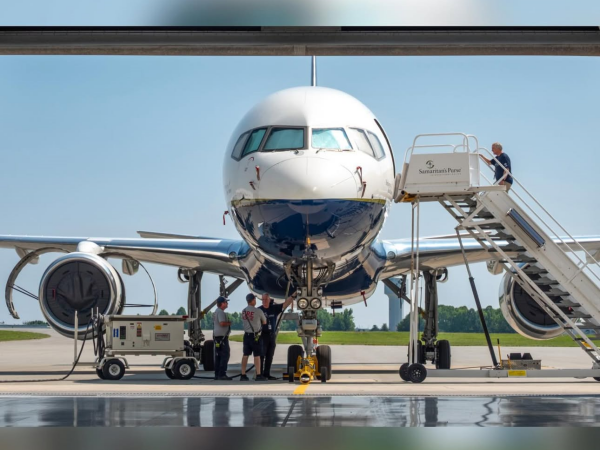
1. Boeing 757: "Retirement Year" of the cargo fleet
2025 is the peak time for the global decommissioning of Boeing 757 cargo aircraft (757-200PCF). Because the model is generally more than 25 years old, the fuel economy cannot be compared with the modern model, coupled with the reduction of Boeing's after-sales support, UPS announced the one-time retirement of more than 20 757-200 cargo aircraft in its fleet in the first half of 2025, and sealed or disassembled them. In addition, DHL and other logistics companies are also gradually reducing the capacity of this model.
2. Boeing 747: the last "double-layer dream"
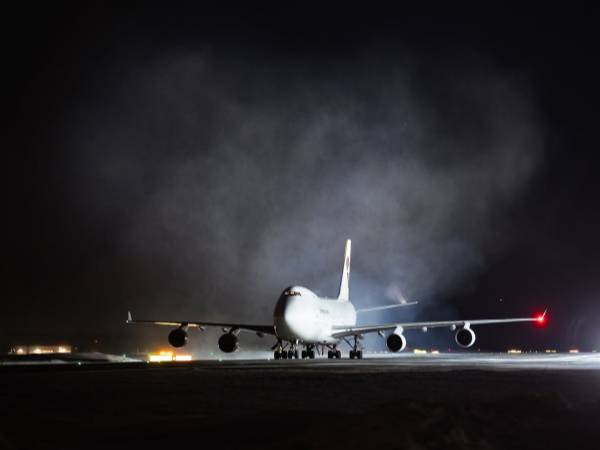
With the adjustment of the international air freight market, the 747-400 series will further withdraw from the stage in 2025.
· Atlas Air: As one of the world's largest 747 operators, it will continue to retire the last few 747-400 cargo planes in 2025 and fully switch to 747-8F.
· China Airlines: The last Boeing 747-400 in China (usually used as a backup or special aircraft) will essentially withdraw from regular commercial flights in 2025, marking the complete end of the era of China's civil aviation passenger 747 (at present, most of the remaining passenger 747s are dedicated or test aircraft).
3. Airbus A380: the last "super-large passenger aircraft"
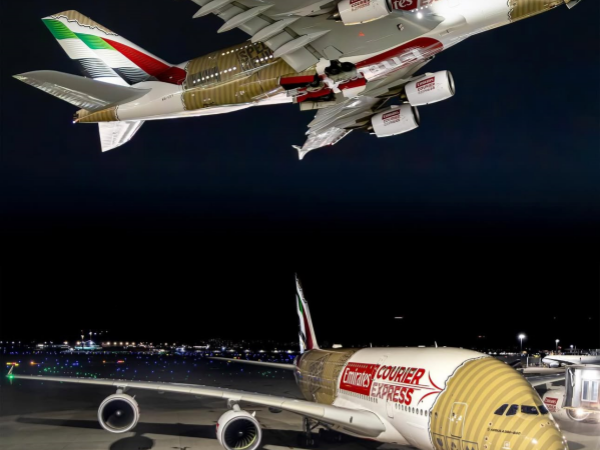
Although the retirement wave of A380 is most intense in 2020-2022, there will still be a small batch of decommissioning in 2025.
· Emirates: As the largest user of A380, it will continue to gently retire five of the oldest A380s (produced around 2008) as planned in 2025 and replace them with the new A380 or A350 and 777X. However, due to its large fleet, the total number is still considerable.
· Lufthansa: Completely retired its remaining A380 in 2025 (Note: Lufthansa restarted part of the A380 in 2023-2024 due to demand, but in the second half of 2025, with the delivery of a new generation of aircraft, it was sealed and retired again).
4. Branch jets and regional decommissioning
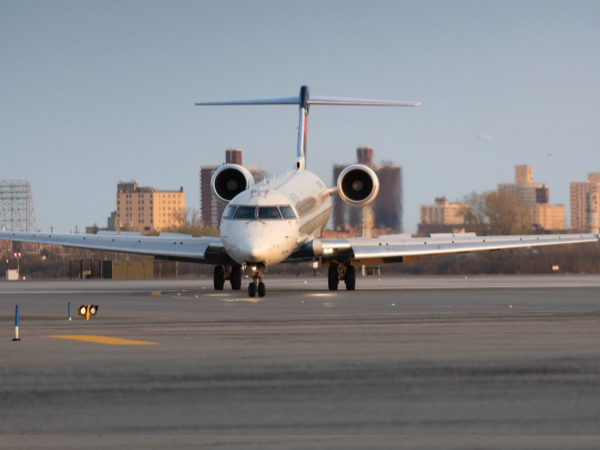
· Bombardier CRJ series: Delta Air Lines of the United States completed the final elimination of the CRJ200 fleet in 2025, and these "antique" branch airliners completely withdrew from the mainstream North American trunk network.
· Air Brazil E145: This old-fashioned branch aircraft of Embraer will be completely decommissioned in 2025 among many branch airlines around the world (such as Piedmont Airlines in the United States).
5. The retirement of China's civil aviation
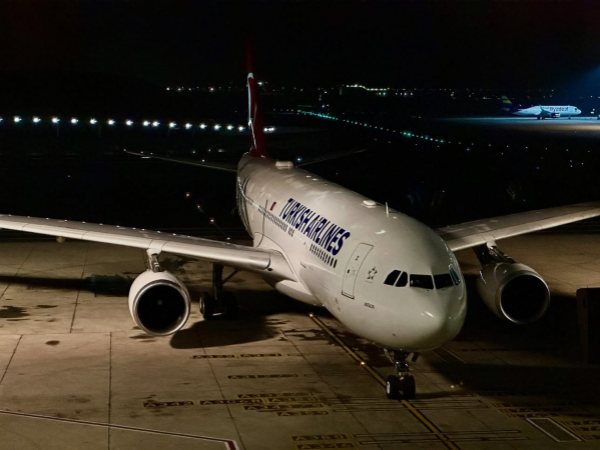
· A330-200: China Southern Airlines will continue to dispose of the early A330-200 fleet in 2025, and some aircraft will be leased or resold to cargo modification companies.
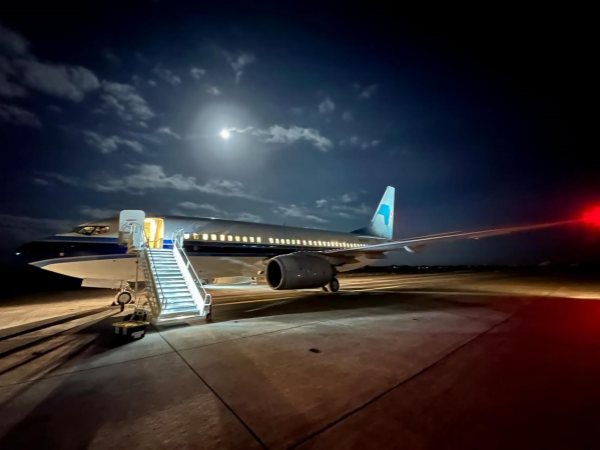
· B737-700: Some Chinese airlines (such as China Eastern Airlines and China Southern Airlines) will retire a batch of 737-700s with an age of more than 20 years in 2025, which are mainly used to replace the new 737 MAX or A320neo.
The protagonist of retirement in 2025 is no longer a large-scale "stoppage and seal" during the epidemic, but a normal renewal based on environmental protection (new fuel standards) and economy (oil prices/maintenance costs). In particular, the intensive decommissioning of the Boeing 757 and the continuous withdrawal of the 747 cargo aircraft mark the arrival of the era when twin-engine wide-body aircraft (such as 777F and A350F) fully take over the freight market.